


Health Hub
Having a Dry July has great health benefits. We've brought together a collection of articles that could help you with your Dry July.
Your Post-Dry July Guide: How to Keep the Good Habits Going
By Dry July Foundation on
Congratulations! You made it through Dry July.
Whether you signed up to support people affected by cancer, to challenge yourself, or simply to see what a month without alcohol might feel like, it’s an achievement worth celebrating. Along the way, you may have noticed better sleep, more energy, a bit of extra money in your pocket and hangover-free weekends. Most importantly, you’ve shown yourself that catching up with friends, winding down and having fun don’t have to centre around alcohol.
Now that July is over, what comes next?
 `
`
The good news is Dry July doesn’t have to be all or nothing. For many people, it’s a chance to reset, build more mindful drinking habits and make more deliberate choices about when, why, and how much they drink.
Here are a few simple ways to keep that positive momentum going.
1. Reflect on what you enjoyed most
Before you slip straight back into old routines, take a moment to think about what you got out of Dry July.

Was it:
- Better sleep?
- More energy and productivity?
- Clearer thinking and concentration?
- More active weekends?
- A healthier bank balance?
- The sense of achievement from completing a challenge?
Noticing the benefits you experienced can help you work out which habits you’d like to keep well beyond July.
Try shifting the focus from what you missed out on to everything you gained along the way.
2. Try mindful drinking
Mindful drinking isn’t about strict rules or missing out. It’s simply about being more aware of your choices.
Ask yourself:
- Do I really feel like having a drink?
- Am I drinking out of habit, or because I genuinely want to?
- What am I hoping to get from this drink?
- Will one be enough, or do I need a plan before I start?
Taking a moment to pause can help turn drinking into a conscious choice, rather than something you do on autopilot. Many Dry July participants say the experience gives them a fresh perspective on their drinking habits. In fact, 78% of surveyed participants said they planned to drink less in the future after taking part in Dry July.

3. Keep some alcohol-free days in your week
One of the biggest takeaways from Dry July is knowing that taking a break is possible.
You don’t have to stay alcohol-free forever to enjoy the benefits of what you’ve learned.
Consider:
- Keeping Mondays to Thursdays alcohol-free
- Choosing a few alcohol-free days each week
- Having a dry weekend each month
- Taking part in other alcohol-free challenges throughout the year
Small, consistent changes can make it easier to hold onto the good habits you built during July.
4. Remember that socialising doesn't require drinking
If Dry July taught us anything, it’s that friendships, celebrations, and great conversations can happen with or without alcohol.
You may have discovered that:
- You still had fun at dinners and barbecues.
- You enjoyed catching up over coffee or brunch.
- Non-alcoholic drinks have come a long way.
- People cared far less about what was in your glass than you expected.
Feeling confident socialising without a drink can be one of the most valuable things to come out of Dry July.
Next time you're meeting friends, try:
- Ordering a mocktail or alcohol-free beer
- Volunteering to be the designated driver.
- Suggesting activities that don't centre around drinking.
- Hosting a brunch, walk, picnic, or games night instead.

5. Find new rituals to unwind
For many people, Dry July highlights that it’s often the ritual of having a drink - rather than the drink itself - that helps them switch off.
If you enjoyed creating new evening routines during July, keep experimenting.
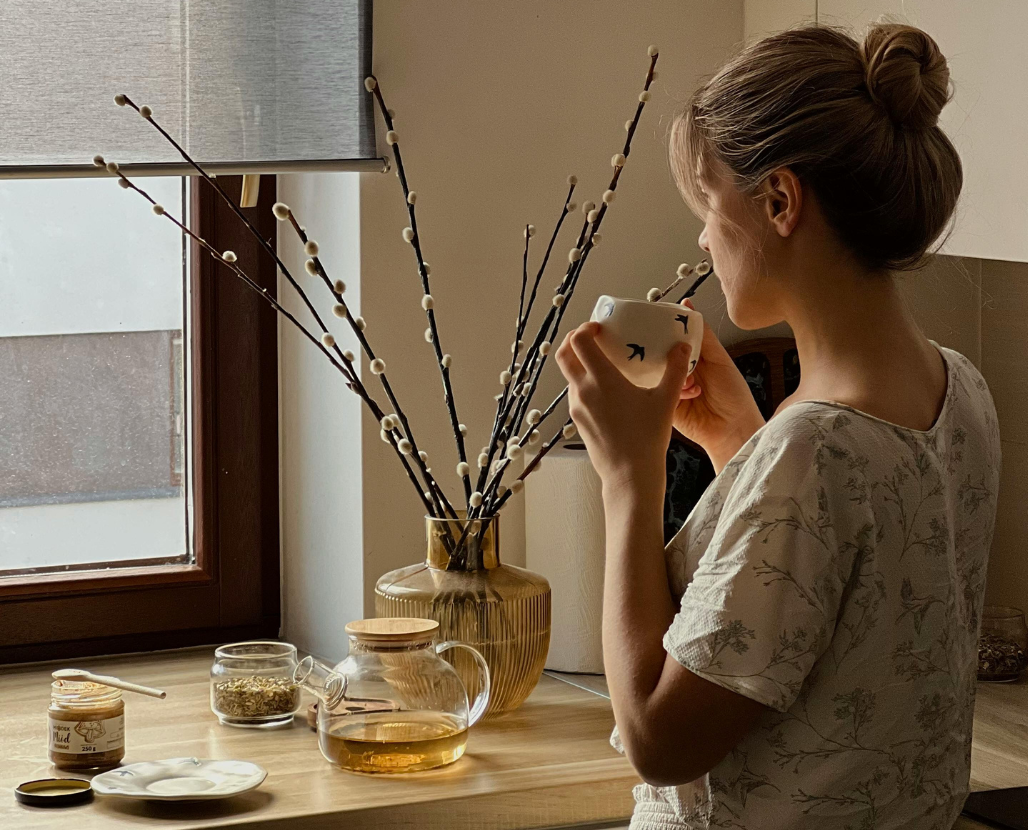
You might try:
- An herbal tea after dinner
- A walk around the neighbourhood
- Reading a chapter of a book
- Listening to music or a podcast
- Enjoying a favourite alcohol-free drink
Building small, intentional moments of relaxation into your day can help carry the benefits of Dry July into everyday life.
6. Celebrate your achievement
Completing Dry July is no small feat.
You challenged yourself, supported people affected by cancer, and helped fund services that improve comfort, care and wellbeing for cancer patients, their families, and carers. Take a moment to acknowledge what you’ve achieved. Whether you stayed alcohol-free for the full month, used a Golden Ticket for a special occasion, or simply became more aware of your habits, you’ve taken a positive step.
7. Make your own rules
There’s no one-size-fits-all post-Dry July plan.
Some people choose to remain alcohol-free. Others return to drinking but with a fresh perspective and greater awareness. Many settle somewhere in between.
The aim isn’t perfection. It’s about making choices that feel right for you.
Dry July has shown that taking a break can be rewarding, empowering and, at times, surprisingly enjoyable. So why not hold onto some of the habits that helped you feel your best?
Because the end of Dry July doesn't have to mean the end of feeling good.
Keep the Dry July spirit alive.
Whether you’re staying alcohol-free, embracing mindful drinking, or simply adding more dry days to your calendar, remember what you’ve already achieved.
You’ve shown yourself that you can socialise without drinking, enjoy alcohol-free alternatives and create healthier habits that support your wellbeing.
That’s something worth carrying forward, long after July ends.

PS: Looking for more alcohol-free inspiration, wellbeing tips and healthy recipes? Visit our Health Hub and keep those good habits going.
Tag us @dryjuly and tell us what's helping you stay on track after Dry July.
Make a donation
Donate to a Dry July participant or team to help support people affected by cancer
You may also like

What Happens To Your Body When You Give Up Alcohol For One Month
By Chloe Mcleod on
We all love to indulge in alcohol every now and then, but a night out with friends brings social pressures in regards to frequent drinking. It can feel impossible to dodge having a drink when you want to be part of the group vibe - and before you know it, you’re waking up with a dry mouth and a nasty hangover again.
Dry July is a great way to reassess your relationship with alcohol consumption and see the health benefits of taking a month off. If you’re signing up to raise money, you’ll also be helping people with cancer.
Here are a few ways the human body can benefit from abstaining from alcohol for a whole month.

#1 Improvements to mental health
Alcohol may seem like a mood elevator when you’re dancing and having a great time...

Why are young people drinking less than their parents’ generation did?
By Sarah J MacLean, Amy Pennay, Gabriel Calluzi, John Holmes and Jukka Törrönen on
As we head towards the end of the year, office get-togethers, Christmas lunches and New Year’s parties are upon us. It seems like a prime opportunity for young people to be drinking the night away.
But something unexpected has happened since the start of this century. Young people in Australia, the UK, Nordic countries and North America have, on average, been drinking significantly less alcohol than their parents’ generation did when they were a similar age.
During COVID lockdowns, some surveys indicate this fell even further.
Our research suggests this is unlikely to be due simply to government efforts to cut youth drinking. Wider social, cultural, technological and economic changes seem to be key to these declines.
Researchers...

Navigating drinking culture in the workplace when you're sober
By ABC Everyday / By Flip Prior on
This year, I've had plenty of time to reflect on what influenced my past drinking habits since quitting on January 1 — and colleagues have emerged as a strong theme.
Look, I'm not about to try to blame Bob in accounts for my own after-work boozing, but given how much time most of us spend at work (and how stressful that environment can be) it's not surprising workmates loom large in shaping drinking behaviour.
Hanging out with colleagues in social situations often brings a not-so-subtle pressure to drink — it's ubiquitous, especially in the media industry, and opting out can feel uncomfortably weird.
And like lots of situations in which drinking is involved, habits can be ingrained after many years until they eventually feel normalised...