When facing a life-changing diagnosis like pancreatic, stomach, liver, biliary or oesophageal cancer, compassionate care and clear information can make all the difference. That’s where upper GI nurses, like the team supported by the Pancare Foundation, come in.
We sat down with one of Pancare’s dedicated upper GI nurses to learn more about the role, the realities of cancer care, and why this work matters.
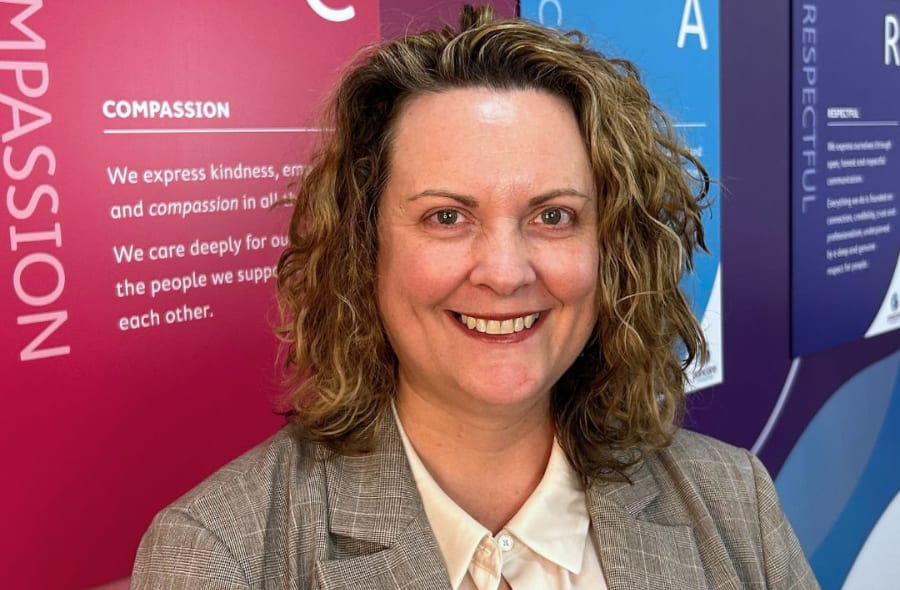
Tiffany has 20 years of acute nursing experience, including some surgical liaison nursing. She has spent the majority of her career as a theatre nurse and has a postgraduate diploma in peri-operative nursing (peri-anaesthesia).
A Career of Compassion and Connection
Q: What inspired you to specialise in upper gastrointestinal (GI) care, and what does a typical day look like in your role?
A: I’ve always been drawn to the human side of nursing—listening, educating, and helping people feel supported when things get overwhelming. Upper GI cancers can be aggressive and confusing to navigate, so being a calm voice in that storm really matters. My day might include phone calls with patients, helping families understand treatment plans, or connecting someone with a dietitian or counsellor through our PanSupport program.
Q: How does your work support patients and their families through a diagnosis and treatment journey?
A: I act as a kind of compass for people when they’re thrown into unfamiliar territory. We’re there to answer questions, explain medical jargon, provide emotional reassurance, and help connect people with services like counselling, support groups or financial aid. It’s about treating the whole person, not just the cancer.
Q: What are some of the most important advances or changes you’ve seen in upper GI cancer care in recent years?
A: There’s growing recognition that wraparound care—like psychosocial support, nutrition advice, and early palliative involvement—makes a huge difference. It’s not just about chemo or surgery anymore; it’s about how people live with cancer. That shift is creating better quality of life and sometimes better outcomes, too.
Q: What advice would you give to those who might feel overwhelmed by a potential or recent diagnosis?
A: You’re not alone. It’s okay to feel scared or uncertain. But reach out early—to your doctor, to Pancare, to a nurse like me. We’re here to walk the path with you. Information and support can make the road ahead feel a little less daunting.
Q: What’s one thing about your job that would surprise people—maybe something that’s not as glamorous (or is more fun!) than people expect?
A: People might be surprised how much laughter happens in a day. Even when things are tough, there’s still room for humour, for stories, and sometimes for sharing recipes! It’s those little human moments that really connect us.
Q: When you're not supporting patients, how do you unwind? Any hobbies or rituals that help you recharge?
A: I’m a big fan of short bushwalks in the Dandenong’s (My backyard!)—it’s my therapy. I also love walking my greyhound Coco, reading, yoga , and the occasional true crime podcast binge!