


Ross’s Story: Diagnosed so young
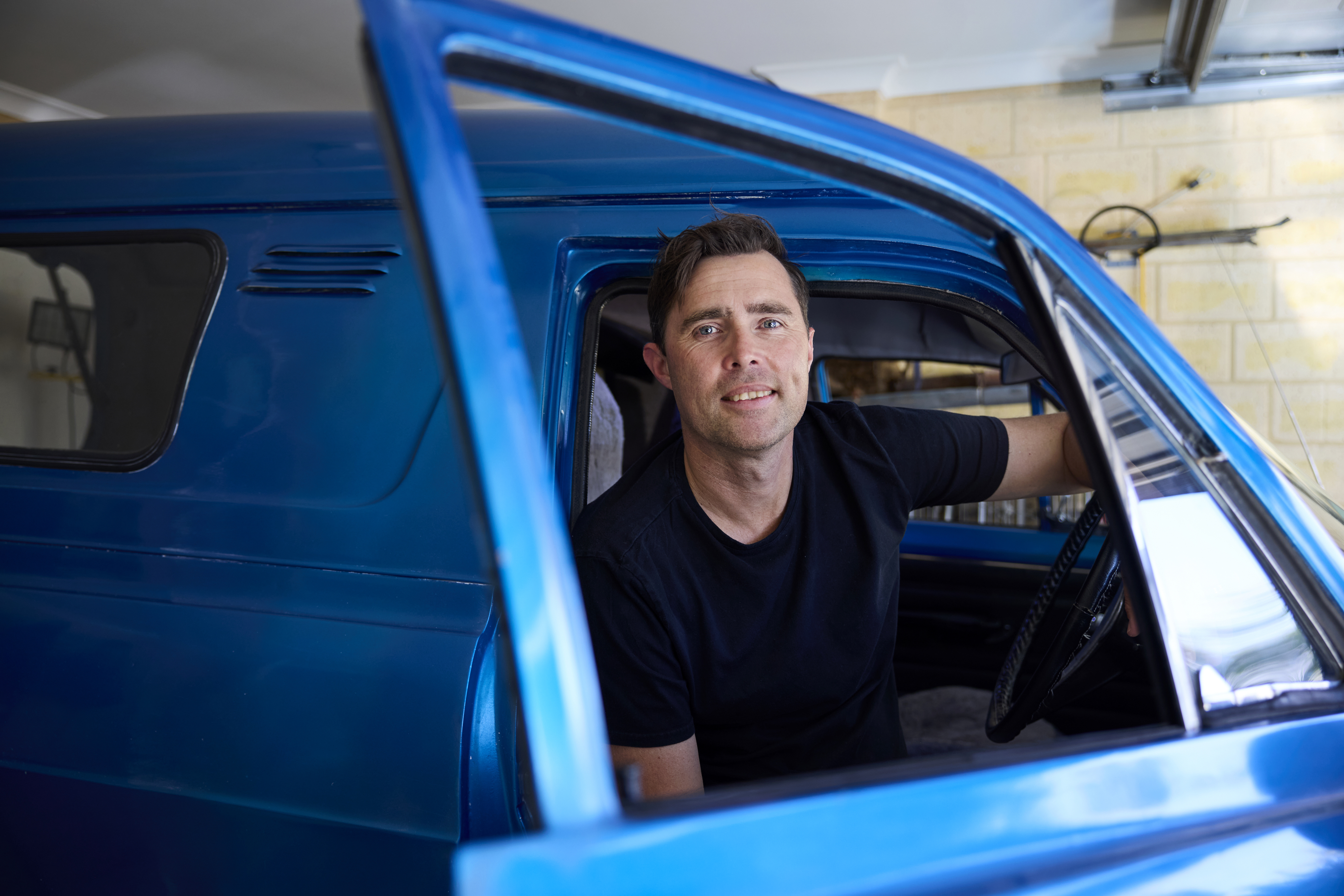
Ross could be anyone — your neighbour, your workmate, the dad you chat to at school pickup, or the bloke fixing an old car in the driveway down the street.
A proud husband and father of four boys, Ross was living a busy, active life in Bunbury, Western Australia.
At 44, he was fit and healthy, working as a deputy principal at a local high school.
Then, a routine check-up changed everything.
“I had no symptoms. I just went to my GP for a check-up,” Ross recalls. "When I got the call that my PSA was 7.9, my world turned upside down.”
He was diagnosed with Stage 3, Gleason 7 (3+4) prostate cancer in April.
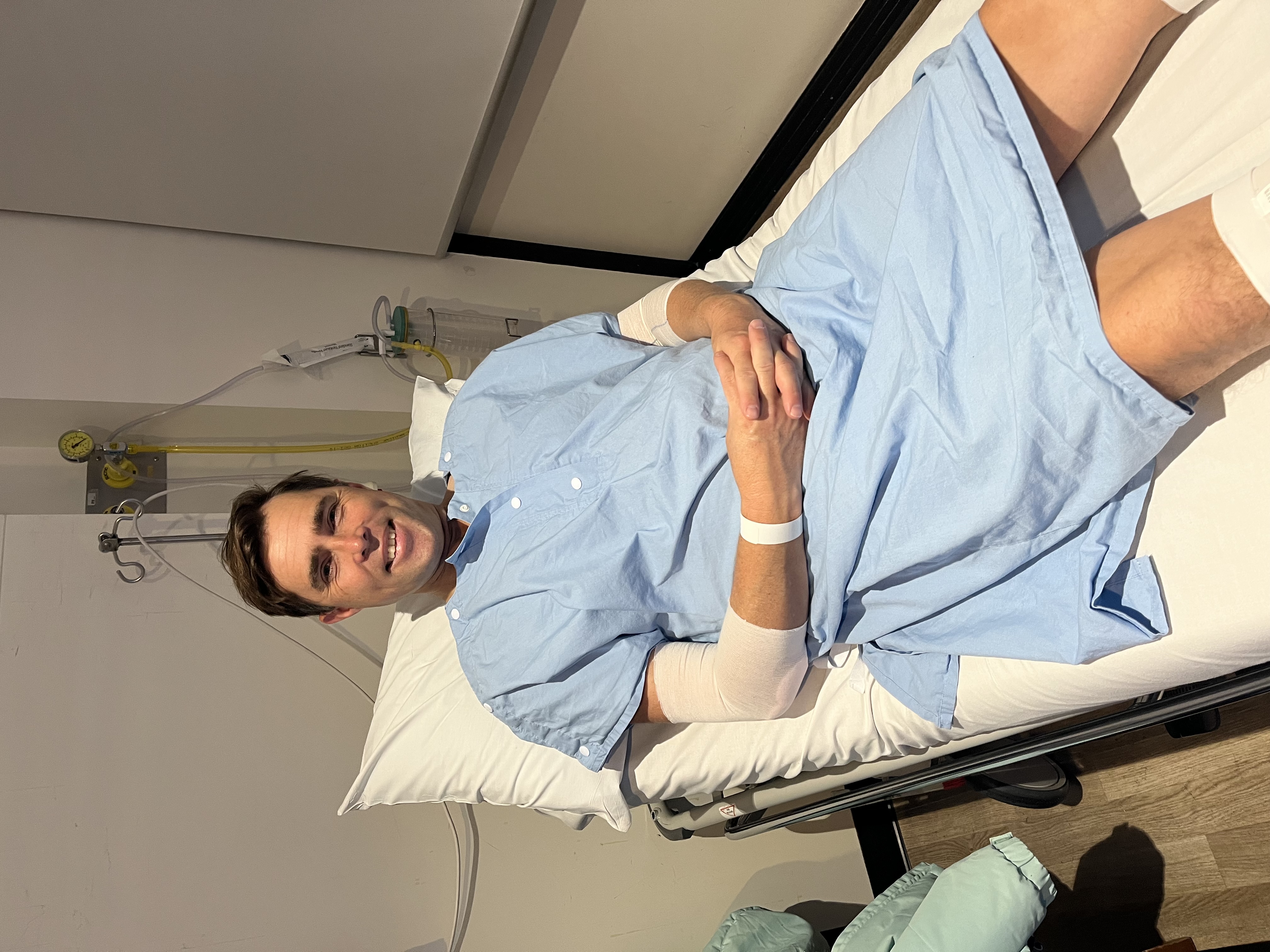
Within weeks, Ross underwent scans, a biopsy, and a robotic prostatectomy in Perth in June.
“The surgery went well, but recovery wasn’t easy,” he says. “Those first weeks with the catheter were tough, and waiting to find out if the cancer had spread was agonising.”
When the pathology report came back, the cancer was more aggressive than expected — but thankfully confined. On the day his results arrived, his PSA was virtually undetectable.
“When the nurse said, ‘It couldn’t be lower,’ I just cried with relief.”
PCFA Support
Prostate Cancer Specialist Nurses
“The Prostate Cancer Specialist Nurse explained everything clearly, gave me all the PCFA booklets, and checked in on me through recovery,” Ross says.
“It made such a difference knowing someone genuinely cared. She wasn’t just ticking boxes — she understood what I was going through, and that gave me confidence when everything else felt uncertain.”
Through the nurse, Ross was introduced to the Prostate Cancer Foundation of Australia’s website, where he found practical guidance, videos, and information tailored to men recently diagnosed. He says the online resources became a major part of his recovery.
“When you’re diagnosed so young, it’s easy to feel isolated — like you’re the only one.
“Having PCFA there reminded me I wasn’t alone.”
“The PCFA website was brilliant,” he says. "It had everything I needed — from what to expect after surgery, to information on side effects and support networks. I’d read stories from other men and realise I wasn’t alone.”
On being diagnosed young
“The other thing I really struggled with — and it’s nobody’s fault — was people trying to relate by saying things like, ‘Oh yeah, my dad or my uncle had prostate cancer.’
“I know they mean well, but it’s not the same. I didn’t know anyone within twenty years of my age who’d been through it.
“It’s a totally different situation when you’re still working, raising a young family, and trying to hold everything together. I never said anything to people, but at home my wife and I found that really hard. We just had to face it in our own way.”
“Thankfully, I had a great physio down here who helped with recovery. I’ve been really lucky — my continence came back quite quickly. I only needed to wear pads for about five weeks, and now I don’t need them at all now.”
Looking forward
Now back at work and spending weekends with his boys, Ross says the experience changed his outlook on life.
“Things that used to bother me don’t register anymore. I’ve learned what matters — and what doesn’t.”
He’s using his story to raise awareness and encourage other men to get tested early.
“Early detection saved my life. If sharing my story gets one bloke tested, it’s worth it.”